News
Pipisan and Gandik: Traditional Grinding Tools Across the Ages
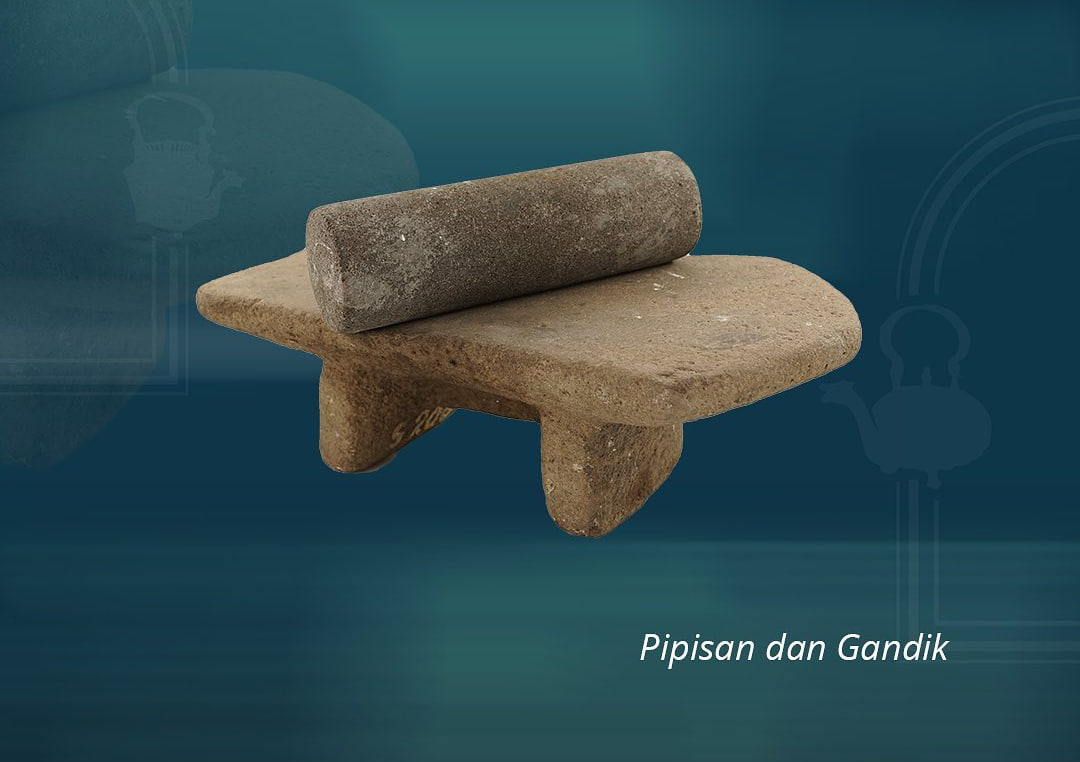
Long before modern blenders and kitchen tools existed, the people of Nusantara had already developed a simple yet important stone technology known as pipisan and gandik. These tools were traditionally used to grind, crush, and process natural ingredients for medicine and daily needs.
Pipisan is a flat stone with a slightly concave surface, while gandik is a cylindrical grinding stone used to crush materials on top of it. Although simple in appearance, these tools represent one of the oldest technological traditions in Indonesian civilization.
Archaeological evidence suggests that pipisan and gandik have existed since the Mesolithic and Neolithic periods. During prehistoric times, early humans used them to process seeds, crush shells, and grind red ochre pigments used for spiritual cave paintings and rituals.
As civilization developed during the Hindu-Buddhist period, the tools evolved into more refined forms made from carved andesite stone. Their importance is even immortalized in the reliefs of Borobudur Temple from the 8th century. Some panels depict people preparing herbal medicines using grinding tools similar to pipisan and gandik.
These reliefs provide strong evidence that Indonesia’s herbal medicine tradition, known today as jamu, has existed for more than a thousand years. Ancient communities already understood how to use herbs and spices for healing and maintaining health.
The role of pipisan and gandik became even more significant during the era of large Javanese kingdoms. At that time, there were royal herbal experts known as Acaraki, specialists who prepared medicinal remedies for kings, royal families, and soldiers.
Using pipisan and gandik, the Acaraki processed roots, leaves, flowers, and spices into herbal formulas. Archaeologists have even discovered beautifully carved pipisan stones at ancient sites, indicating that these objects also reflected social and cultural status.
Although centuries have passed, the concept of pipisan and gandik still survives today through the use of traditional mortar and pestle tools commonly found in Indonesian kitchens and herbal medicine shops.
More than ancient grinding stones, pipisan and gandik are enduring symbols of Nusantara’s traditional knowledge, showing how Indonesian ancestors skillfully used nature to sustain health and daily life for generations.