News
Bokor: A Small Vessel That Holds a Long Journey of Civilization
Since around 500 BCE, metal craftsmanship had already begun to flourish across the Indonesian archipelago. From this technological development emerged various objects household utensils, weapons, and ritual equipment that reflected the growing sophistication of early societies. Among these creations, there is one object that might look simple at first glance, yet carries a remarkably long cultural history: the bokor.
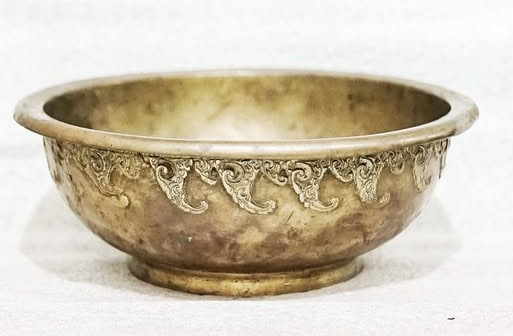
A bokor is a shallow metal bowl, commonly made from bronze, brass, or other metal alloys. Its use can be traced back to the Hindu-Buddhist period in the archipelago. During that era, the vessel served as a container for ritual offerings, holy water, and flowers used in sacred ceremonies. In temple reliefs from ancient Java and Bali, similar bowls often appear in the hands of priests or placed carefully on ritual altars. It was never merely a container; it was part of a sacred system of symbols and practices.
When observed closely, the beauty of a bokor lies not only in its balanced form but also in its decorative details. The outer surface is often engraved with intricate patterns geometric motifs, flowing vines, and floral ornaments. One of the most common motifs is the lotus flower. In Hindu-Buddhist philosophy, the lotus symbolizes purity and spiritual balance: a flower that grows from muddy water yet blooms untouched by impurity. These ornaments are not simply decorative elements; they represent symbolic messages carefully preserved through generations of craftsmen.
The making of a bokor is also a meticulous process. Metal must first be melted at high temperatures before being cast or hammered into its curved form. After the basic shape is completed, artisans begin the delicate process of engraving decorative patterns onto the surface. This stage requires patience and precision. A single mistake in carving can damage the entire surface. Because of this, each bokor becomes not only a functional object but also a piece of craftsmanship that reflects the artisan’s dedication.
Although centuries have passed and the social context of rituals has evolved, the bokor continues to hold an important place in cultural traditions today. In Javanese wedding ceremonies particularly in the ritual known as Panggih Manten a bokor is filled with water and fragrant flower petals known as kembang setaman. Within this ceremony, the vessel symbolizes purity, blessings, and the hope for harmony in married life. The water represents calmness and sincerity, while the flowers symbolize fragrance and beauty in human relationships. Together, they transform the bokor into a container of prayers and expectations for the future.
In Bali, the bokor remains a familiar presence in Hindu religious rituals. It is often used to hold tirta (holy water) and flower offerings during temple ceremonies. In such contexts, the object serves as a reminder that cultural heritage is not merely something preserved in museums it continues to live through daily religious and social practices.
Even today, the tradition of crafting bokor is still maintained by skilled artisans in several regions. In Bali, areas such as Buleleng and Klungkung are known for preserving traditional metalworking techniques. Meanwhile, in Java, Boyolali has long been recognized as a center for brass and metal craftsmanship. In modest workshops, the rhythmic sound of hammer striking metal still echoes much like it did centuries ago.
Amid modern manufacturing and mass-produced goods, a bokor may seem like a modest object. Yet within its simple shape lies a long narrative of civilization: a story about belief systems, artistic expression, craftsmanship, and cultural continuity. It reminds us that history does not always stand tall in monumental temples or grand palaces. Sometimes, it quietly resides in a small vessel that faithfully holds water, flowers, and prayers.
A simple object, carrying centuries of human heritage.