News
Ketoprak: The Traditional Javanese Theatre That Has Survived Through the Ages
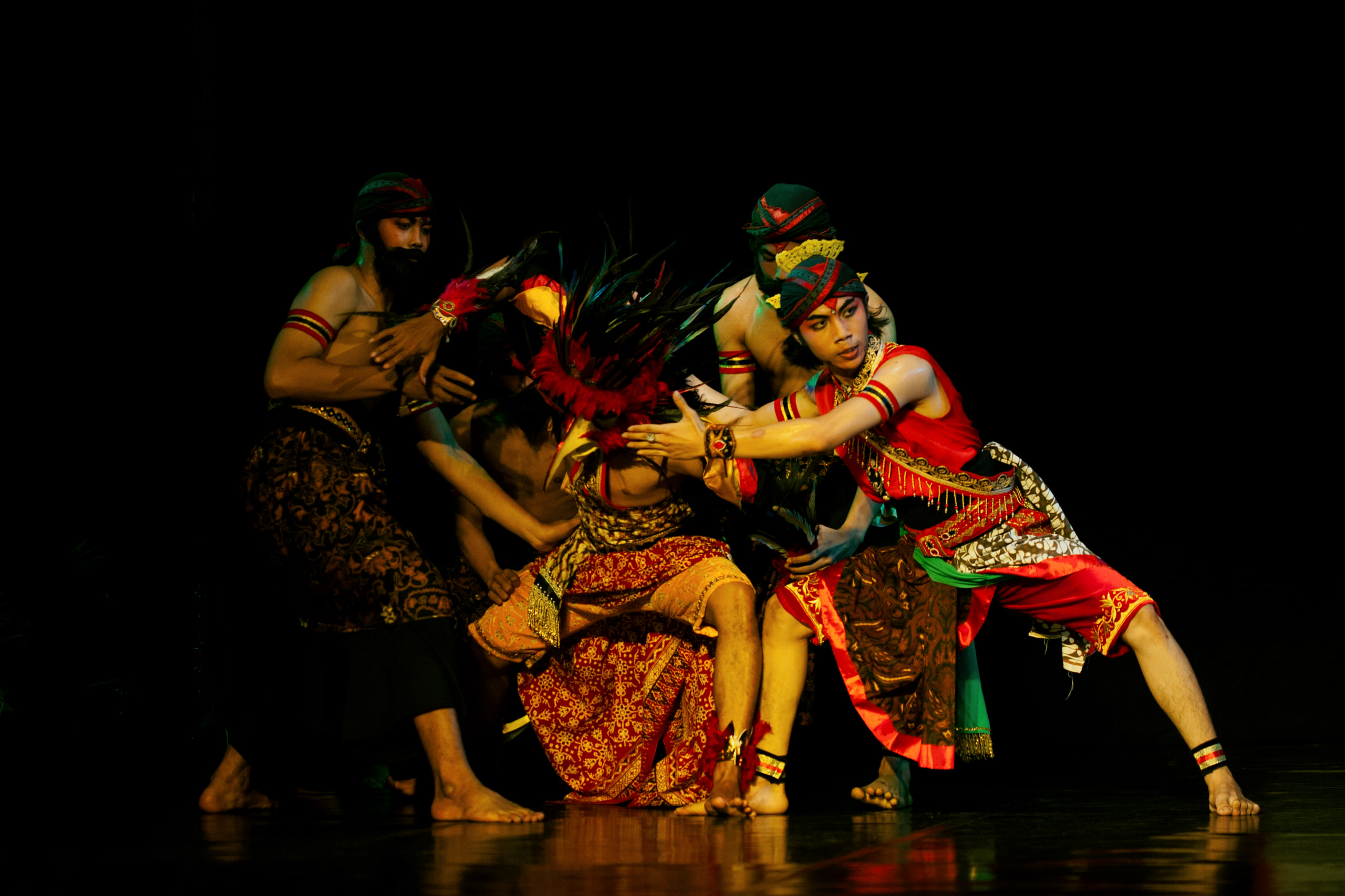
There is something fascinating about ketoprak. On stage, audiences can be transported into the world of royal courts, witness palace intrigues, listen to Javanese dialogue rich in cultural etiquette, and suddenly burst into laughter as performers deliver witty jokes. This combination of storytelling, music, and comedy has given ketoprak a distinctive place in traditional Javanese performing arts.
Ketoprak is a form of traditional theatre that developed in Central Java, particularly in Surakarta and Yogyakarta. In Yogyakarta, it is also known as Ketoprak Mataram. Its performances combine dialogue, songs, acting, and comedy, accompanied by a Javanese gamelan orchestra. The stories vary widely, ranging from Javanese legends and historical events to tales originating from other parts of the world.
However, ketoprak did not emerge in its current form as a fully developed stage performance. Its roots can be traced to folk games played by children during the full moon. The accompaniment was not an elaborate gamelan orchestra, but the rhythmic sound of a lesung, a traditional wooden mortar used to pound rice.
The lesung was struck in rhythm, creating a distinctive sound. The activity gradually developed into a form of folk entertainment with its own cultural significance. According to the beliefs of some Javanese farming communities, the rhythm of the lesung could summon Dewi Sri, a figure associated with fertility and abundant harvests. This early form of the performance became known as Ketoprak Lesung.
At the time, the performances were relatively simple. Their stories often revolved around ordinary life, including the lives of farmers and local officials known as demang. Lighting was provided by torches. Despite these modest arrangements, ketoprak's simplicity reflected its close connection to the everyday lives of ordinary people.
Over time, ketoprak underwent significant changes. The lesung, once its main musical accompaniment, gradually gave way to Javanese gamelan. The music became more varied, the stories more elaborate, and dance was incorporated into the performances. Ketoprak evolved from a simple folk activity into a theatrical art form combining multiple elements of performance.
These developments helped ketoprak gain wider popularity. Stories about royal life and palace intrigues became some of its main attractions. Audiences could enjoy not only the plot but also glimpses of the past through the costumes, stage settings, dialogue, and characters.
Historical accounts of the art form indicate that ketoprak began reaching wider audiences in 1922, when performances developed in the Mangkunegaran court in Surakarta. Previously, the art had been more limited to certain circles. As it became more accessible to the public, ketoprak gradually secured a broader place in community life.
Its journey, however, was not always smooth. In 1942, during the Japanese occupation of Indonesia, ketoprak performances were temporarily banned. The prohibition was associated with verses and storylines considered critical of the Japanese administration. This episode demonstrates that traditional theatre is not merely entertainment. Stories and humor delivered on stage can also provide a means of expressing social and political criticism.
One of ketoprak's greatest strengths lies in its ability to combine serious storytelling with comedy. A scene involving a royal conflict may be interrupted by a humorous exchange that lightens the atmosphere. Audiences do not have to follow dramatic tension throughout the entire performance, as there is always room to laugh and enjoy the performers' antics.
Language also plays an essential role in ketoprak. Performances use Javanese while observing unggah-ungguh, the system of speech levels that reflects social position and relationships between characters. Forms such as Ngoko Lugu and Krama Inggil are more than simple word choices. They help convey social relationships, respect, and each character's standing within the story.
The performance involves much more than dialogue. Music, songs, dance, acting, stage design, lighting, makeup, and costumes all contribute to the experience. These elements work together to create an atmosphere and bring the story to life. Ketoprak is therefore a collaborative art form that requires the skills of many people, both on stage and behind the scenes.
Its themes are not limited to Javanese history. Local legends and stories from other countries can also be adapted for ketoprak performances. This flexibility allows the art form to evolve without entirely abandoning its distinctive character. Some performances even include entertainment segments unrelated to the main storyline, giving performers an opportunity to entertain the audience with lighter scenes.
As the entertainment industry changed and television became part of everyday life, ketoprak faced new challenges. During the 1990s, ketoprak humor emerged as one way to adapt to changing audience preferences. This form of performance emphasized comedy while retaining recognizable elements of traditional ketoprak.
The troupe led by Timbul and his fellow performers succeeded in attracting public attention. The appearance of Topan and Lesus, a pair of brothers known for their comedic talent, also contributed to the popularity of ketoprak humor. When these performances began appearing on television, ketoprak gained an opportunity to reach a much wider audience, including people who did not live near traditional performance venues.
This shift in medium was significant. Traditional arts do not necessarily have to remain exactly as they were when they first emerged. As long as their essential elements and cultural identity are preserved, adaptation can help introduce them to new generations.
One group that continues to preserve ketoprak is Ketoprak Tobong Kelana Bhakti Budaya from Yogyakarta. The continued presence of groups like this serves as a reminder that traditional performing arts need spaces in which to perform, artists who are willing to keep creating, and audiences who are prepared to make time to appreciate them.
Ultimately, ketoprak is about more than kings, princes, or conflicts within royal courts. It reflects how Javanese society understands language, social relationships, history, humor, and everyday life. From the simple rhythm of the lesung to gamelan orchestras and television broadcasts, the history of ketoprak demonstrates how an art form can change with the times.
Perhaps this is precisely why ketoprak deserves to be preserved. It does not need to compete with modern entertainment by becoming something entirely different. By continuing to provide opportunities for performances, supporting the artists who develop the tradition, and introducing it to younger generations, ketoprak can remain a window into Javanese culture—serious when telling a story, yet always knowing when it is time to make the audience laugh.