News
From Two Southern Gates to a Bowl of Memory
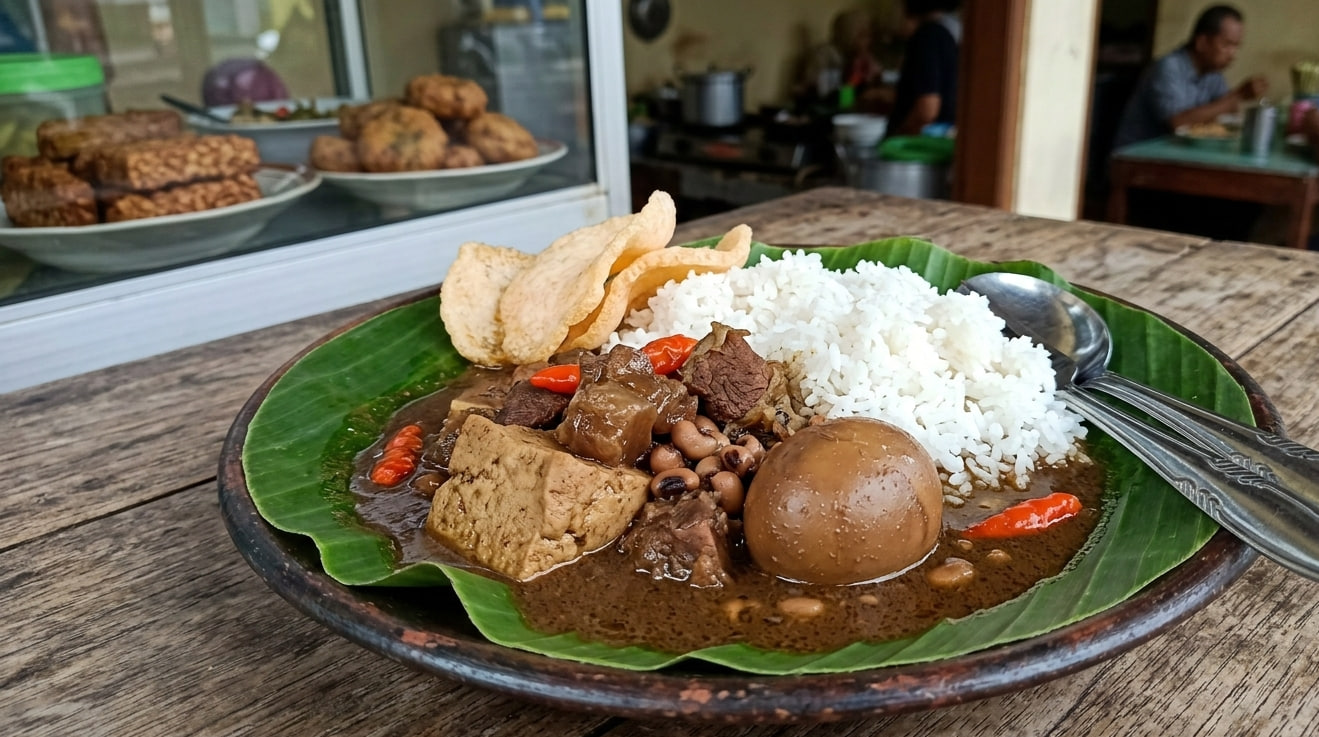
There is a pleasant coincidence: the southern palace gates in Solo and Yogyakarta can both serve as culinary compasses. From Gapura Gading Kraton Kasunanan Surakarta and Plengkung Gading Kraton Kasultanan Yogyakarta, one only needs to walk a few hundred meters to encounter dishes that have survived for decades. History, in these places, rises not from monuments alone but from bowls and plates.
In Solo, about 400 meters south of the gate, stands Warung Soto Ayam Gading 1. Established in 1975, it became the original bearer of the “Soto Gading” name, continuing a family business that began in 1969. From a modest kitchen run by the late Suharno Siswomartono, a clear-broth chicken soto grew into one of the city’s most enduring culinary icons.
The name has since branched into several related outlets, all preserving the same inherited recipe. Yet the first location carries a certain gravity. Since the 1980s, it has been known as a favorite stop for Indonesian presidents from Soeharto and Abdurrahman Wahid to Megawati Sukarnoputri, Susilo Bambang Yudhoyono, and Joko Widodo. When Jokowi was still Mayor of Solo, it was common to see him stop by for breakfast. The soup is simple and clear, the flavor light but that simplicity keeps people returning. Today, the business is managed by the third generation.
In Yogyakarta, the mood shifts but the story echoes. About 100 meters north of the southern gate stands Warung Brongkos Handayani, also established in 1975. From the outside it looks unassuming. Inside, however, a bowl of brongkos can quiet a room.
Brongkos is rich and dark, its thickness shaped by coconut milk and keluak. It carries a deep savory sweetness, punctuated by gentle heat. Ingredients may include black-eyed peas, tofu, beef, tendon, or boiled eggs creating a layered and comforting dish. Founded by Adiyo Oetomo and Sartiyem, the name “Handayani” was taken from their youngest child. The story is intimate, almost domestic.
Both establishments were born in the same year. Perhaps 1975 was simply fertile ground for food that ages with dignity. From two southern gates in two royal cities, we are reminded of something simple: sometimes what endures longest is not the grandeur of the walls, but the taste patiently tended each day.


mantap
19 Apr 2026 10:49 WIB dapodik