News
Bedhaya: The Sacred Court Dance Reserved for Kings
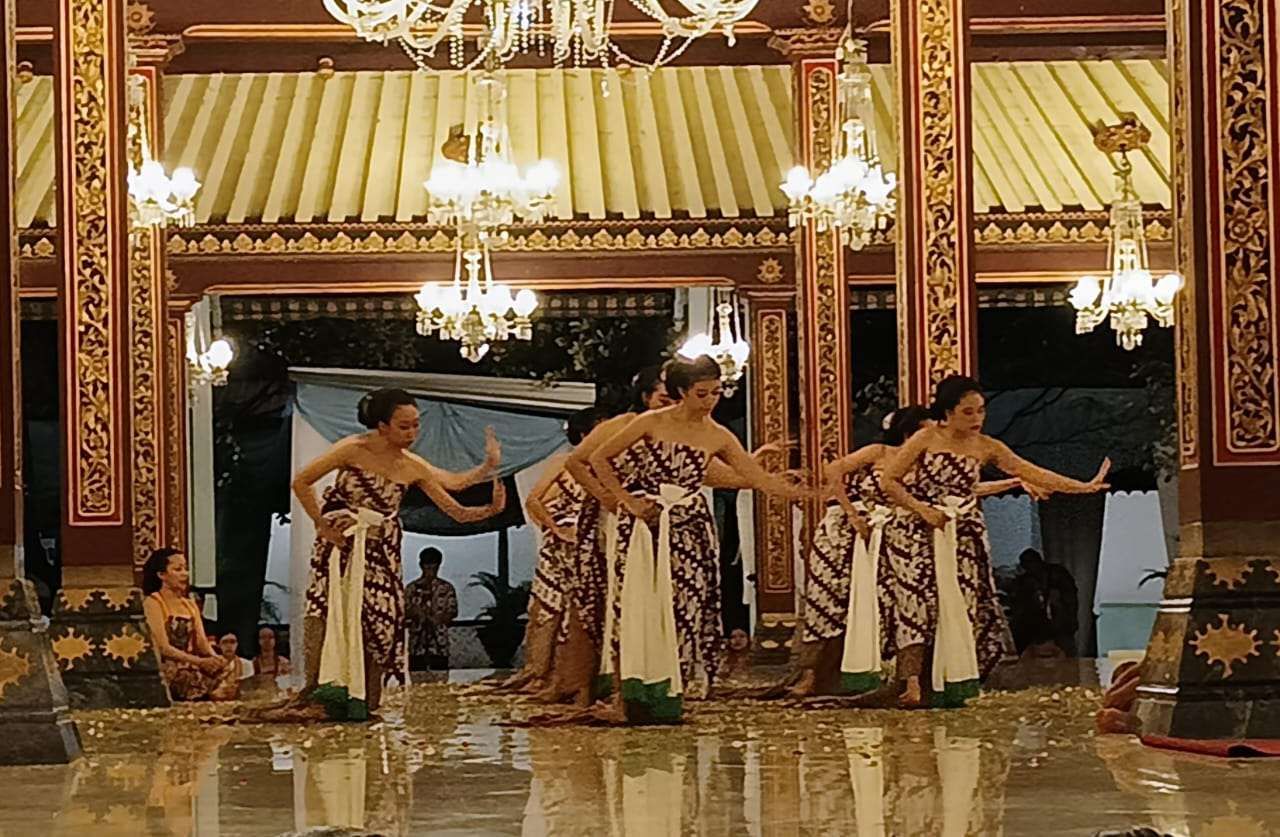
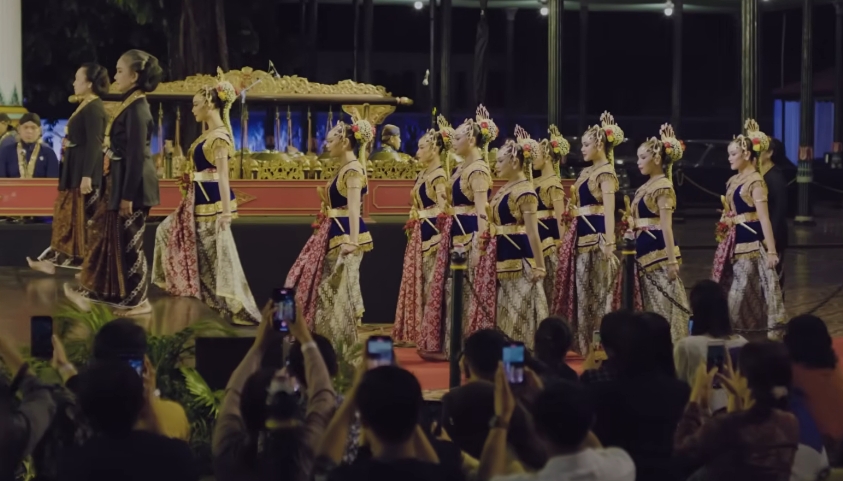
Within the walls of Javanese royal palaces lives a dance that is not merely performed it is guarded, revered, and treated as sacred. It is called Bedhaya. This is not a public spectacle, nor an art form meant for casual audiences. Bedhaya belongs to the intimate and ceremonial space of the palace.
Traditionally, Bedhaya is performed only during highly significant events: a royal coronation (jumeneng dalem), anniversary of accession (jumenengan), the king’s birthday (tumbuk yuswa), royal weddings (pawiwahan ageng), or the reception of highly honored guests. Even then, attendance is strictly limited. The exclusivity itself reinforces its sacred aura.
Each Palace, Its Own Legacy
The Bedhaya tradition thrives in multiple Javanese courts. At the Kasunanan Surakarta, one finds Bedhaya Ketawang and Bedhaya Sumregdi. The Kasultanan Yogyakarta preserves Bedhaya Semang and its own version of Sumregdi. Meanwhile, the Kadipaten Mangkunegaran maintains Bedhaya Anglir Mendung, and the Kadipaten Pakualaman features Bedhaya Tejanata.
These examples represent only a fraction of the many Bedhaya compositions developed across the courts. In Yogyakarta alone, there are at least thirty variations. Most are named after the accompanying gendhing (musical composition), though some derive their titles from the stories or values embodied in the dance.
Bedhaya is choreography, yes but it is also philosophy written through movement.
Nine Dancers, Nine Directions
In palace settings, Bedhaya traditionally involves nine dancers. When performed outside the court, the number may be reduced to seven or six, respecting the original sacred structure.
The number nine holds deep cosmological meaning. In Javanese philosophy, influenced by Hindu teachings, the concept of Nawasanga describes nine deities guarding the cardinal and intercardinal directions symbolizing cosmic balance between the microcosm (human) and macrocosm (universe).
Thus, the nine dancers represent not merely directions but the human body itself. Each position carries symbolic meaning:
Batak (mind and soul), Jangga/Gulu (neck), Dada (chest), Endel Ajeg (desire), Apit Ngarep (right arm), Apit Mburi (left arm), Buncit (reproductive organ), Endel Weton (right leg), and Apit Meneng (left leg).
Through this symbolism, Bedhaya becomes a moving meditation an embodiment of harmony within the self before harmony can exist in the world.