News
Dari Mitos ke Panggung Tari: Jejak Wewe Gombel dalam Tradisi Barongan Jawa
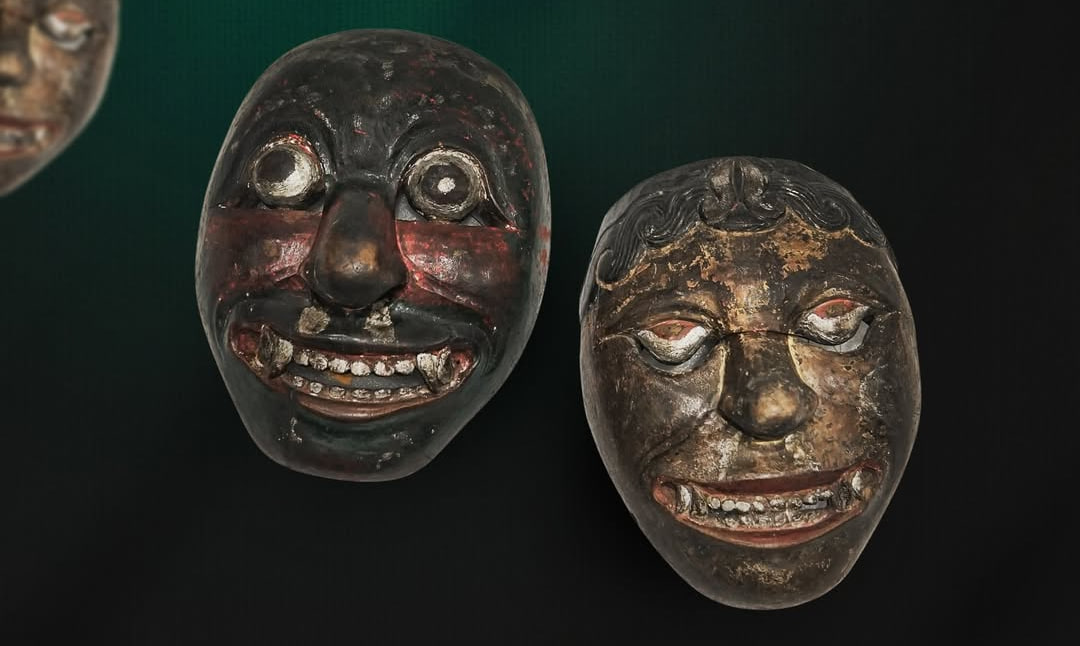
We know Wewe Gombel as a figure in Javanese mythology that is closely associated with a mystical and frightening image. In many folk stories, she is described as a terrifying female spirit often linked to the supernatural world. Her story has long been passed down from generation to generation as part of the oral tradition of Javanese society, particularly as a warning to children not to wander outside alone at dusk or late at night. Yet behind her frightening image lies a moral message about protection, discipline, and the relationship between parents and children within family life.
Over time, the figure of Wewe Gombel has not remained confined to folk tales alone. She has also found a place within various forms of cultural expression, including traditional performing arts. In the world of folk dance, especially in barongan performances, the character of Wewe often appears as part of the dramatic narrative that enriches the storyline. Her presence is not merely for entertainment but also represents the supernatural forces that people believe influence human life.
Barongan itself is widely known as a performance centered around the figure of the barong, a large lion-like creature often called singo barong. This character typically becomes the main attraction because of its imposing appearance, energetic movements, and strong symbolic presence. However, in many performances, the barong does not appear alone. It is accompanied by several other characters that help build the narrative, including the figure of Wewe Gombel, whose presence adds a sense of mystery and dramatic tension to the performance.
In Blora, Central Java, the barongan tradition has developed as an important form of folk art that lives within the community. These performances are not only presented as entertainment but are also frequently featured in village celebrations, traditional ceremonies, and cultural festivals. Within this context, the character of Wewe becomes one of the elements that enrich the structure of the story in barongan performances. Her presence adds narrative complexity, creates dramatic tension, and strengthens the mystical atmosphere that characterizes the show.
Although the singo barong remains the central figure, the presence of supporting characters like Wewe demonstrates how communities integrate mythological elements into performing arts. These characters help convey moral messages, illustrate conflicts between good and evil forces, and reflect the values upheld by society. In this way, folk stories that were once transmitted purely through oral tradition now find new life on stage.
The journey of Wewe Gombel from oral storytelling to performing arts shows how culture continuously evolves with time. Myths that once functioned as teaching tools within families have become part of artistic expression enjoyed by a wider audience. From stories whispered at night to performances expressed through dance movements and traditional music, the figure of Wewe Gombel illustrates how traditions can adapt while preserving their original meaning.
Ultimately, the transformation from folk tale to stage performance reveals an important truth: culture survives because it adapts. From oral storytelling to barongan performances, traditions demonstrate their ability to evolve, grow, and remain relevant in the lives of the people who continue to carry them forward.