News
Wayang Day and the “Treasure Chest” of Sonobudoyo
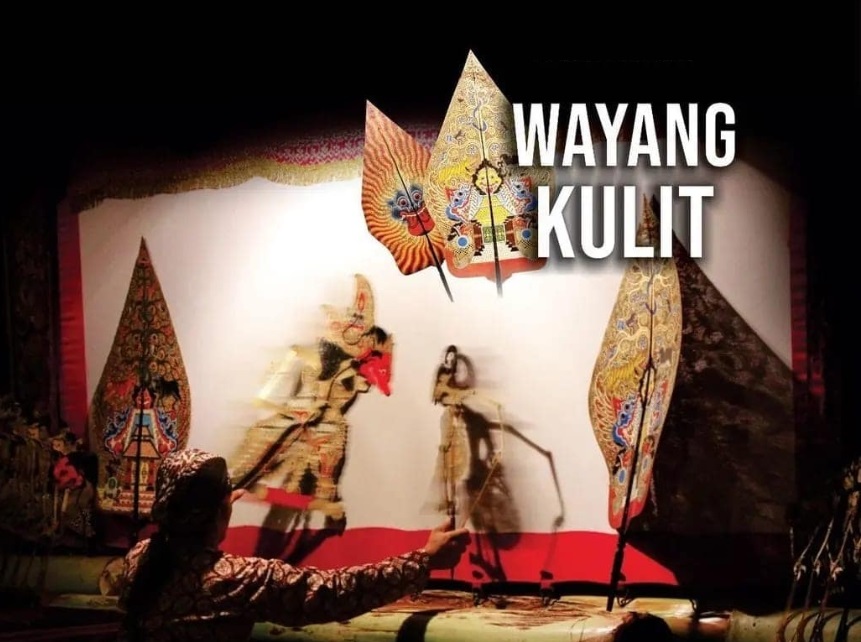
For most people, November 7th might look like just another date on the calendar. But in Indonesia, it’s actually special: National Wayang Day. Yep, we have an official day to celebrate wayang—a performing art that is part spectacle, part philosophy, and part social commentary, all wrapped into a centuries-old tradition that can keep audiences glued from dusk till dawn.
Wayang isn’t only about the dalang pulling strings, the gamelan orchestra, or villagers staying up all night under the glow of an oil lamp. It’s an “encyclopedia of life,” filled with moral lessons, epic battles, humor, and even sharp social critiques. No wonder UNESCO has recognized wayang as a masterpiece of the world’s cultural heritage. The least we can do is treat it with as much attention as we give to our favorite Netflix series.
Now, if you happen to be in Yogyakarta and want to experience wayang beyond just hearing “Gatotkaca” in some local superhero flick, the best place to dive in is Sonobudoyo Museum. This museum houses one of the most complete collections of wayang in the country, carefully preserved and proudly displayed.
Wayang Collections at Sonobudoyo Museum
-
Wayang Kulit: Leather puppets carved with exquisite detail, usually telling stories from the Mahabharata and Ramayana.
-
Wayang Golek: Wooden three-dimensional puppets. Sonobudoyo has the Yogyakarta-style Wayang Golek Menak as well as Wayang Golek Purwa from West Java.
-
Wayang Klithik: A mix of wood and leather, often depicting the Pandawa stories with a distinctive look.
-
Wayang Gedhog (Solo): A traditional Solo style, with its own storytelling approach that differs from the usual shadow puppets.
-
Wayang Sadat: A unique form with different characters and staging styles, part of the cultural tapestry.
-
Wayang Wahyu: Drawing stories from the Bible, offering a refreshing perspective within the wayang universe.
-
Wayang Kancil: Animal characters carrying moral tales and comic relief, beloved in many traditions.
-
Wayang Golek Menak: Focused on the heroic tales of the Menak cycle.
-
Wacinwa (Chinese-Javanese Wayang): A fascinating cultural blend of Chinese and Javanese elements in both story and form.
-
Wayang Dupara: A rarer type that enriches the diversity of the collection.
What’s striking is that these puppets aren’t treated as static museum pieces. Some, like the historical Ksatria figures, are kept under special preservation and only brought out on certain occasions. Wayang here is seen as a living heritage, not just an artifact gathering dust.
Sonobudoyo also makes sure visitors don’t just look, but learn. Each gallery is equipped with descriptive panels, guiding you through the characters, the stories, and the cultural significance of wayang.
So while National Wayang Day is a reminder that wayang matters, Sonobudoyo is the place where you actually understand why it matters. Because there, wayang isn’t just displayed—it’s kept alive as part of who we are.