News
The Hairpin That Holds More Than Hair: Stories of Nusantara Women
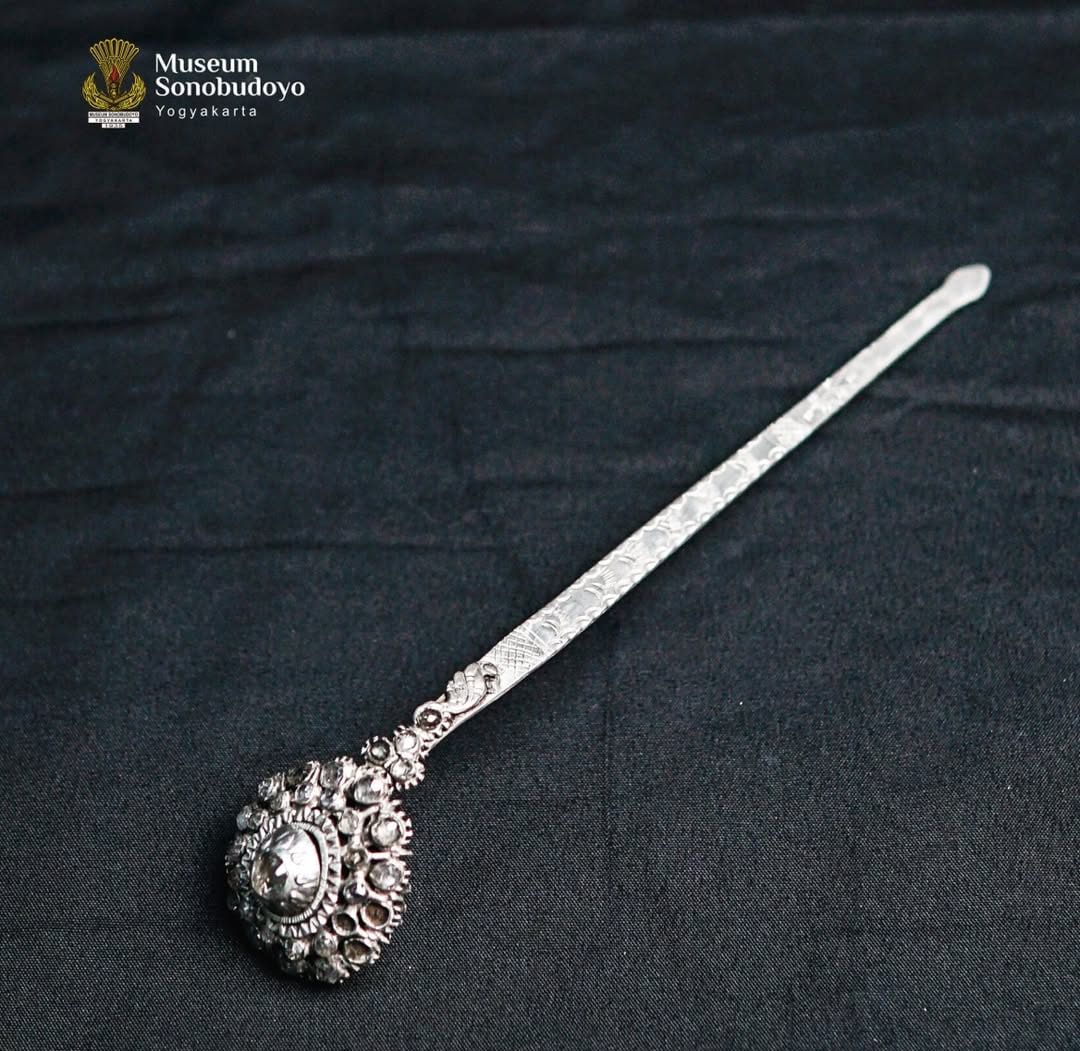
When we talk about traditional attire, our attention often stops at fabrics, kebaya, or bold pieces of jewelry that instantly catch the eye. Yet there is one small object that quietly carries a long cultural memory: the hairpin.
It is modest. Often hidden behind a neatly arranged bun. But precisely there—tucked into a woman’s hair—identity, social status, and aesthetic values are carefully anchored.
One Object, Many Faces
Look closely, and you will realize that hairpins across Indonesia are anything but uniform. Each region gives them a distinct shape, material, and meaning, as if women’s hair were a canvas where culture leaves its signature.
In East Nusa Tenggara, for example, the hairpin is known as sasukun. It is not made of gold or silver, but from buffalo horn. Its fork-like shape is simple yet assertive. The buffalo itself is no ordinary animal here—it symbolizes strength, endurance, and the rhythm of daily life within the community.
Move westward to Aceh, and the story changes entirely. Hairpins there gleam with prestige. Known as cucok ok or cucok sanggoi, they are crafted from gold. Their shine is not merely decorative; it reflects dignity, honor, and social standing, especially when worn during traditional ceremonies and weddings.
When Hairpins Begin to Dance
In West Java, hairpins do not just sit still they sway. Called kembang goyang, these metal hair ornaments are shaped like flowers adorned with gemstones. Each stem is attached with a small spiral joint, allowing the ornament to gently tremble as the wearer moves. Beauty here is alive, subtle, and rhythmic proof that elegance does not need to shout to be noticed.
Meanwhile, in North Sumatra, among the Mandailing people, bridal hairpins are known as jagar-jagar or jarunjung. Made of gold and shaped like blooming flower buds, they crown the bride’s bun. Beyond decoration, they symbolize fertility, hope, and prayers for a prosperous married life.
Hair, Women, and Cultural Identity
From Aceh to Nusa Tenggara, from gold to buffalo horn, hairpins reveal one simple truth: hair ornaments are never merely accessories. They are visual languages—telling stories of origin, belief, social values, and womanhood itself. Small and often overlooked, the hairpin works quietly. It holds hair in place, yes—but it also holds memory, tradition, and identity.
So the next time you encounter a traditional hairpin in a museum display or a ceremonial procession, pause for a moment. What looks like a simple object may, in fact, be carrying generations of stories—of women, of culture, and of how the Nusantara has long understood beauty.